Across the Atlantic · 1993–1995
The Records Had Already Made the Journey
Manchester, Detroit, and the difference between welcoming a sound and inventing it.
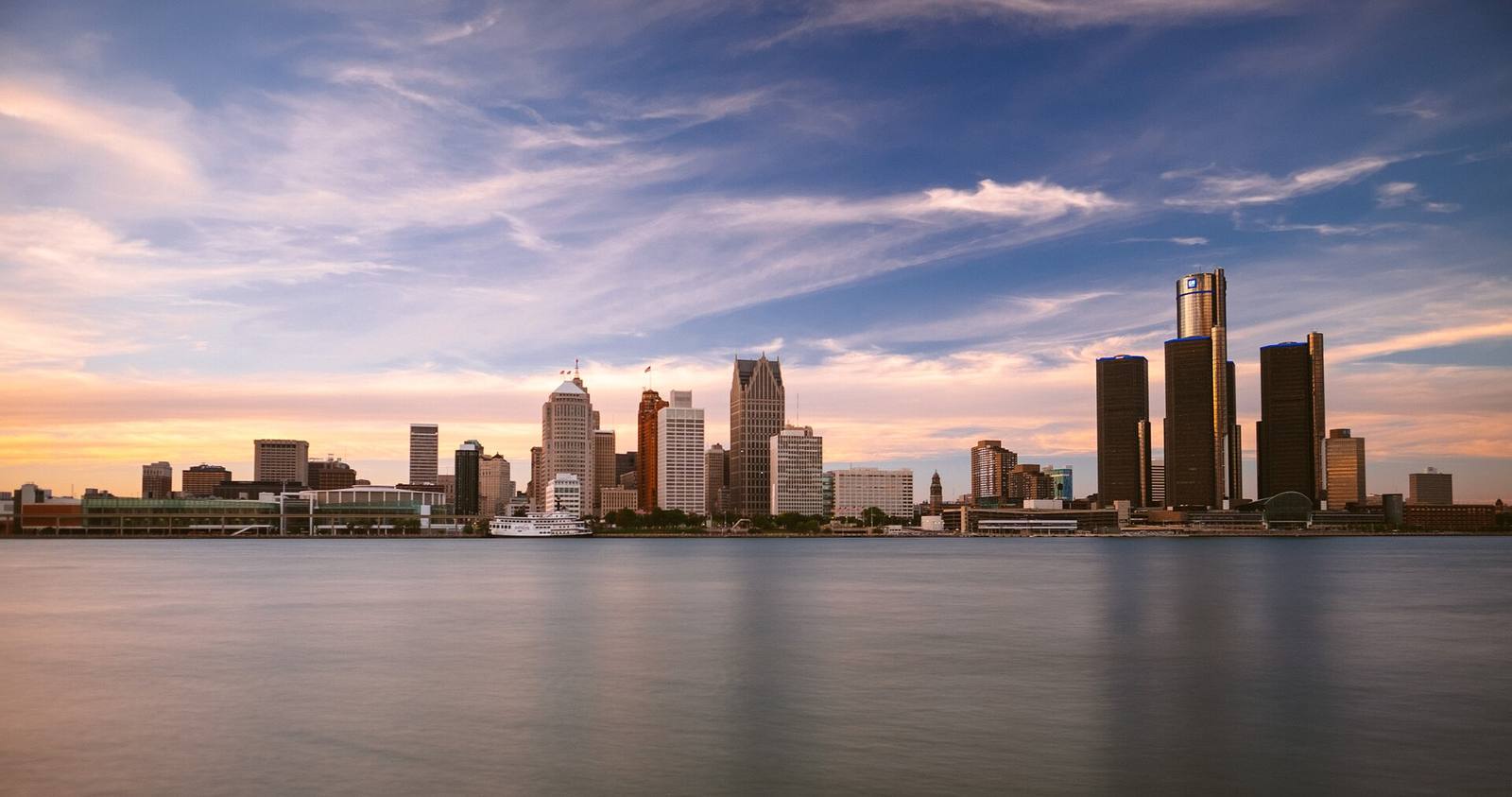
By the time a Detroit musician reached a Manchester booth, the records had often arrived first.
An interview published in Jockey Slut in 1993 places Juan Atkins and Derrick May at The Haçienda. Listeners brought older Transmat releases for May to sign. That is a small but useful detail: the people waiting were carrying a history with them. The visiting musician was meeting an audience that already knew something of his work.
It is an appealing point at which to begin a story about connections between cities. But begin there and the earlier part of the journey can disappear. Before Manchester’s clubs and British magazine pages, there were other listeners, friendships, broadcasts and experiments closer to Detroit.
Atkins grew up with music shaped by George Clinton’s funk as well as Kraftwerk’s electronic imagination. Detroit radio, particularly The Electrifying Mojo, brought an expansive range of sounds into the same listening world. In Belleville, Atkins’s friendships with May and Kevin Saunderson became part of a network of tapes, parties and music-making. The international audience came later.

The order matters. A British dance floor could give the music another setting and a livelihood to pursue. It did not supply the original imagination. Detroit’s musicians had already been making choices about machines, rhythm and feeling before those choices became evidence of taste somewhere across the Atlantic.
Atkins was direct about the unequal journey in his 1993 interview. He described racial divisions in the United States that allowed music to flourish in Black communities without reaching a white American audience. European acceptance could make that same music newly visible back home. Recognition was travelling along a route shaped by more than enthusiasm.
His own account of the music also resisted a simple picture of cold machinery. He valued melody, atmosphere and warmth, and saw no necessary division between a record made for listening and one made for dancing. Those concerns give us something richer than a story in which factories somehow turned automatically into techno.
Manchester became one of the places where these ideas could meet another audience. Looking back on Bugged Out!’s early years, John Burgess recalled visits by Detroit and Chicago artists including Juan Atkins, Derrick May and Cajmere. Names on a programme marked separate journeys and distinct musical histories, even when one promoter welcomed them into the same room.
That is where the connection becomes interesting. It is not a line on a map announcing that two cities share a sound. It is a series of encounters: a record bought before a visit, an artist booked to play, a listener recognising a track, a question asked across an interview table. Each can carry music further without making its origins disappear.
The records brought for signing at The Haçienda make a good place to return. They were things someone had kept, then carried out again to meet the person behind them. Between Detroit and Manchester lay an ocean, but also the work of listening. The journey was already under way before the artist stepped into the room.